

Executive Summary
China continues to find creative ways to infiltrate and influence the West.
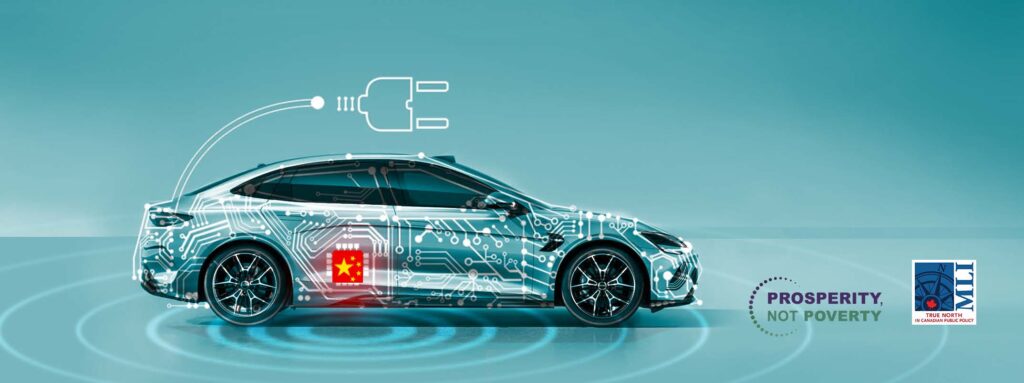
When low-cost Chinese electric vehicles entered Western markets, they were an immediate success and sales soared. Soon after, engineers discovered that Chinese manufacturers could surveil these vehicles (Financial Times 2026). Western engineers also found kill switches in Chinese electric buses that could be used to disrupt transportation (Associated Press 2025; Bryant 2025; Financial Times 2026; Smith 2025). A recently accessed Canadian Government internal Public Safety Canada memo warned of dangers from vehicles imported from “high-risk vendors” (CTV News 2026). Additional scrutiny revealed surveillance and control components embedded in various solar energy components produced in China, including power inverters (Mcfarlane 2025).
China has embedded capabilities in many of its products in use in the West that can surveil citizens, disrupt transportation and ports, and cause electricity blackouts and grid damage. During a political or military confrontation with the West, adversary-embedded capabilities in energy and other strategic Western infrastructure could have a significant impact, including on the outcome of war.
China, Iran, and Russia have all included attacks and disruptions on American and allied domestic energy infrastructure in their war doctrines (Howard, Nussbaum, and Shaffer 2024). Today, the border between the home front and the battle arena in war has been completely blurred, as adversaries of the West plan on targeting the domestic arenas of Western countries, including Canada. Even short-term disruptions to electricity and transportation can trigger public panic in the United States, Canada, and other Western countries, undermining support for a war effort – especially in an overseas conflict such as a defence of Taiwan.
The West has taken only very limited steps to address the threat of these Chinese embedded capacities, focusing mainly on imported electric vehicles. Canada began to receive its first batches of EVs from China in June 2026. With Chinese-produced electric vehicles arriving in Canada relatively late in the game compared to Europe or the United Kingdom, Ottawa has an advantage – it can nip the security threat posed by these vehicles in the bud. Canada must act now to put in place policies and regulations that limit the surveillance and transportation-disruption capacities of Chinese manufactured vehicles. Canada should also identify risks from additional Chinese goods, such as electricity inverters in solar energy systems and cranes in use in Canada’s ports.
This commentary will discuss several examples of embedded surveillance and contro equipment that Western governments have discovered in Chinese products, the steps taken to minimize the risks from these products, and the policy steps Canada can take to minimize the threats posed by Chinese EVs and other products that have already infiltrated Canadian markets (Global News 2026).